
Cisco NSO: Why Your Company Needs It – and How to Get Started
Network automation is hot, but where do you begin? We explain why Cisco NSO is often the right tool and how to take the first step.

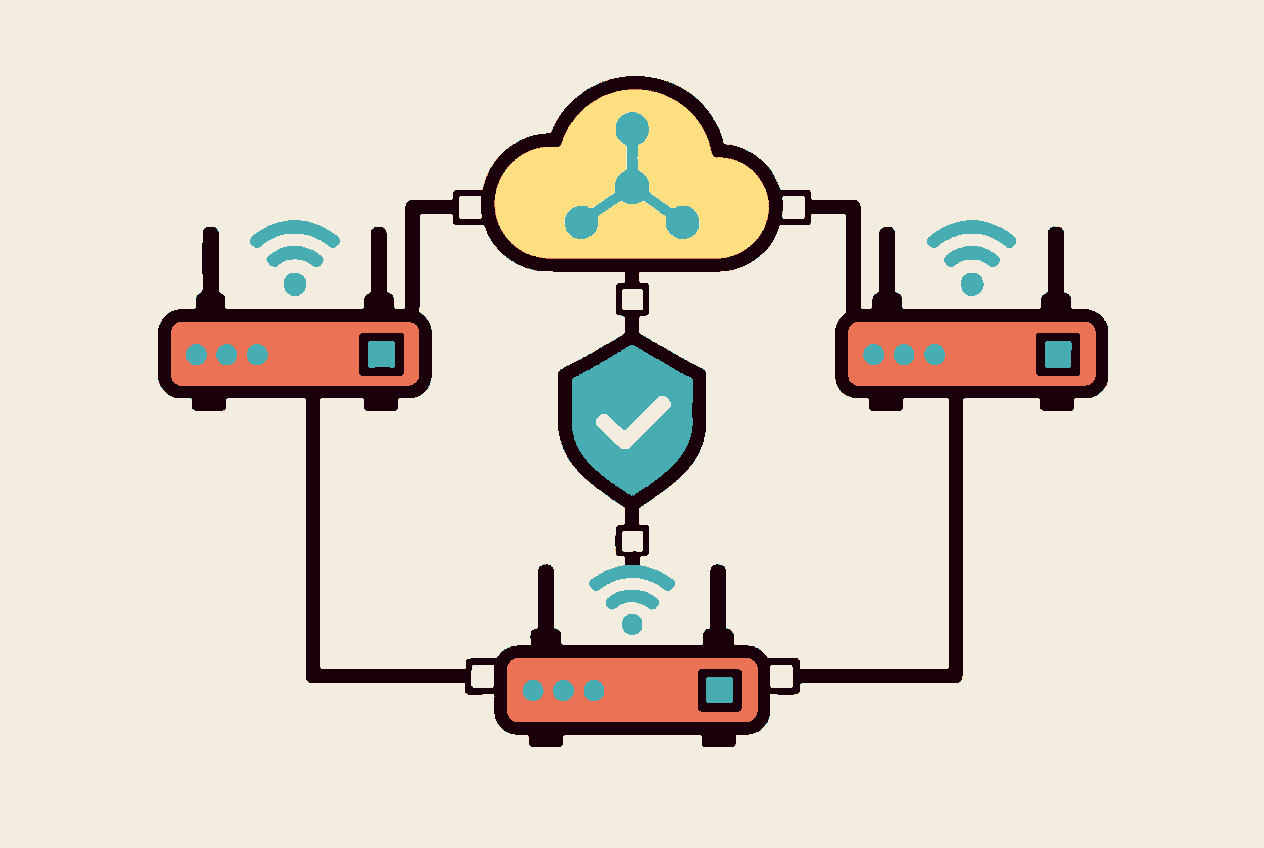
Time to automate your network but finding it hard to get started? You're not alone. In this post, we'll explain why Cisco NSO is often the right tool – and how to get started sustainably.
Why NSO instead of building it yourself?
Scripting a port configuration for the first time is easy. The challenge comes when that same port needs to be changed, restored, or adapted for a new service. Soon, you'll have hundreds of scripts no one dares to touch.
NSO gives you a central service model instead of loose scripts. You describe what needs to be delivered – NSO figures out how and executes it against the correct equipment, regardless of vendor.
Benefits in brief
- True multi-vendor: the same model for Cisco, Juniper, Arista, and more.
- Transactional operations: everything succeeds – or nothing does.
- Automatic rollback on failure.
- Clear separation between service and device configuration.
Get started
- Start small. Choose a service you frequently perform manually today.
- Model the service, not the equipment.
- Integrate with ITSM/CMDB once the foundation is solid.
- Scale when the team is comfortable with the tool.
Do you need support with your first implementation? Our Cisco NSO consultants will help you all the way from proof-of-concept to production.


Network automation, Cisco NSO or monitoring? I'll connect you with our network specialists.
Related articles
How to Leave VMware Without Breaking Production
A migration guide for teams that cannot afford downtime: mapping, destination selection, and migration in waves with tested rollback.
How to secure your Docker image build pipeline
A robust and secure build process for your Docker containers is a central part of protecting applications in production. Here's how we do it.
4 Tips for Strengthening Your Cybersecurity
Four concrete measures that elevate your security: EDR, vulnerability analyses, SIEM, and continuous awareness training.