
Exploring Cisco NSO: A Deep Dive into Technology and Application (Part 1/3)
Learn how Cisco NSO and experienced NSO consultants can help your company automate and streamline network management.

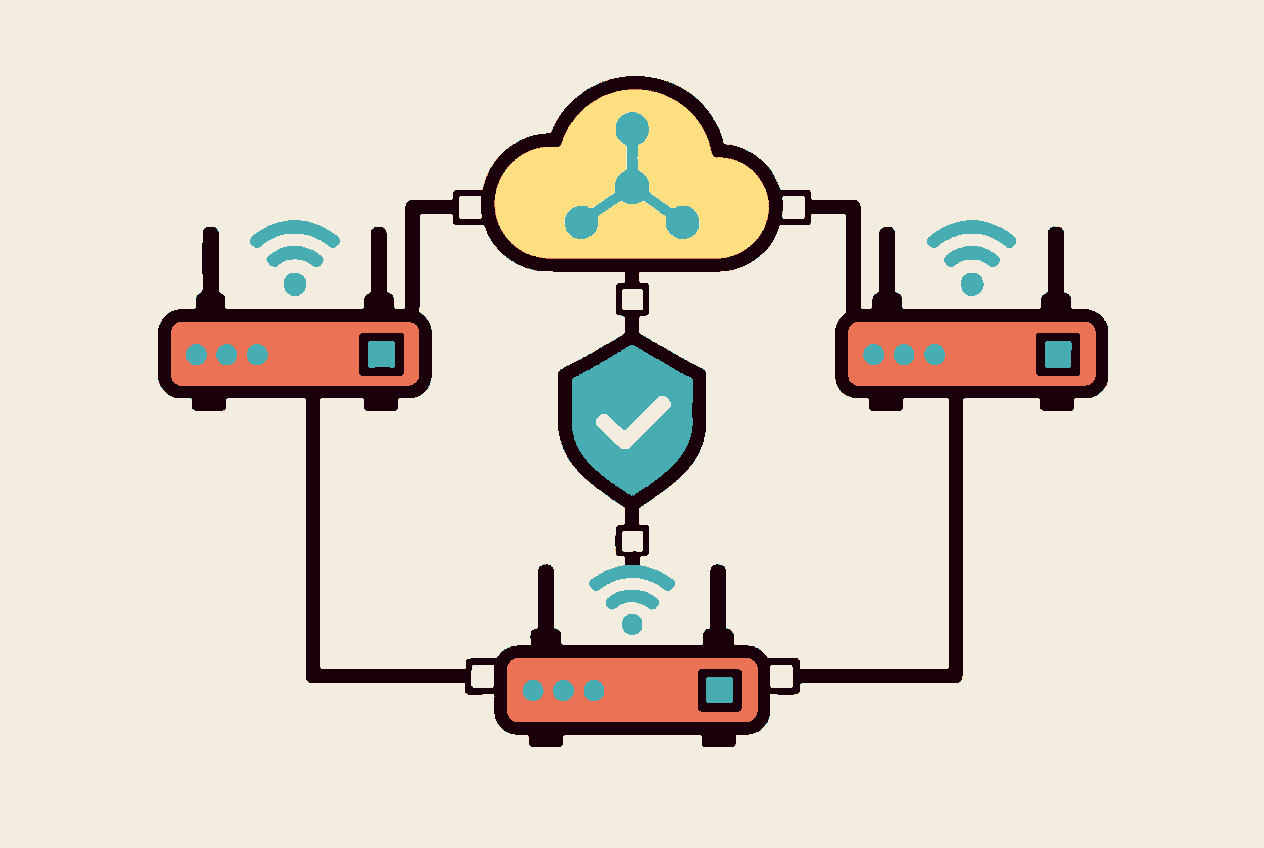
Why Cisco NSO?
Networks are rarely homogeneous. A typical enterprise environment consists of equipment from multiple vendors, different generations, and configuration models that have evolved organically over the years. Automating this is difficult — but that's also where Cisco Network Services Orchestrator (NSO) comes in.
What NSO Actually Does
NSO is an orchestrator that sits between your operational reality and the physical (or virtual) network infrastructure. It offers:
- Multi-vendor support via Network Element Drivers (NEDs).
- Transactional configuration — either everything goes through, or nothing does.
- Service abstraction — describe what you want to achieve, not how.
When is NSO the Right Choice?
If you have more than a couple of network vendors, if you make more than a handful of changes per month, or if compliance is starting to become a headache — then NSO is worth looking into. It's not the cheapest tool, but it's the one that scales best over time.
What's Coming in Parts 2 and 3
In this series, we'll go in-depth: Part 2 on NETCONF and YANG, Part 3 on the technical details surrounding FASTMAP and reference counters. The goal is that after this series, you'll have a clear picture of why so many of our customers have chosen NSO — and when it's right for you.


Network automation, Cisco NSO or monitoring? I'll connect you with our network specialists.
Related articles
Mapping 120,000 devices: how we built a network discovery platform that keeps up
How we built a network discovery platform tracking over 120,000 devices: DNS zone transfers, Temporal, SNMP templates, MongoDB, topology from MAC tables, Jaeger, and a versioned FastAPI.
From Git to VM – how we build self-service with Proxmox and Crossplane
Proxmox, Crossplane and GitOps as the foundation for self-service on your own infrastructure. Read about Petter's PoC, what works today and the next steps.
Building a Kubernetes Platform Without Vendor Lock-In
How do you build a container platform that can evolve over time? Brian Levinsen discusses solution design, OpenShift, GitOps, and minimizing vendor dependencies.